Showing posts with label Cole Sprouse. Show all posts

February 11, 2020

HOW TO BE TIMELESS

This, of course, is not an example.

So you want your screenplay to hold up through time, whether it's through its universal themes or its cultural and dialogue details. While striving to succeed in that is not completely foolproof, here are what I find works for me in making my (modern day-set) scripts timeless.

DON'T MENTION ANY "NEWEST THING"S WHATSOEVER


That's a general rule of thumb if you want your script to endure for years after the fact, but culture as a whole is ever-changing, so stating something as definitely "new", "latest", or any other term subject to redefinition is best avoided. (Unless you can lampshade it with a character saying an actually-old thing is new, for example.)

GO FOR MORE RETRO STYLES AND DESIGNS

The lens of cultural hindsight helps to "edit" the trends, styles, aesthetics, and other visuals from the past into those that have stood the test of time. (Notice how 70s shag carpets have typically been seen now in either parodies or period pieces?) This is especially useful with teenagers and young adult characters, given how modern trends for those demographics arguably shift faster than most. It's usually best in my opinion to aim for a more "classic" look, or at least one largely detached from the most unusual of modern trends.
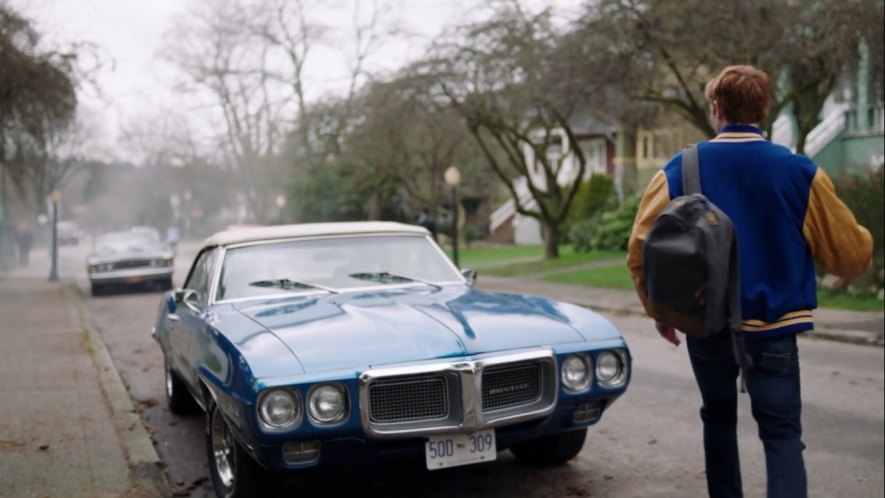
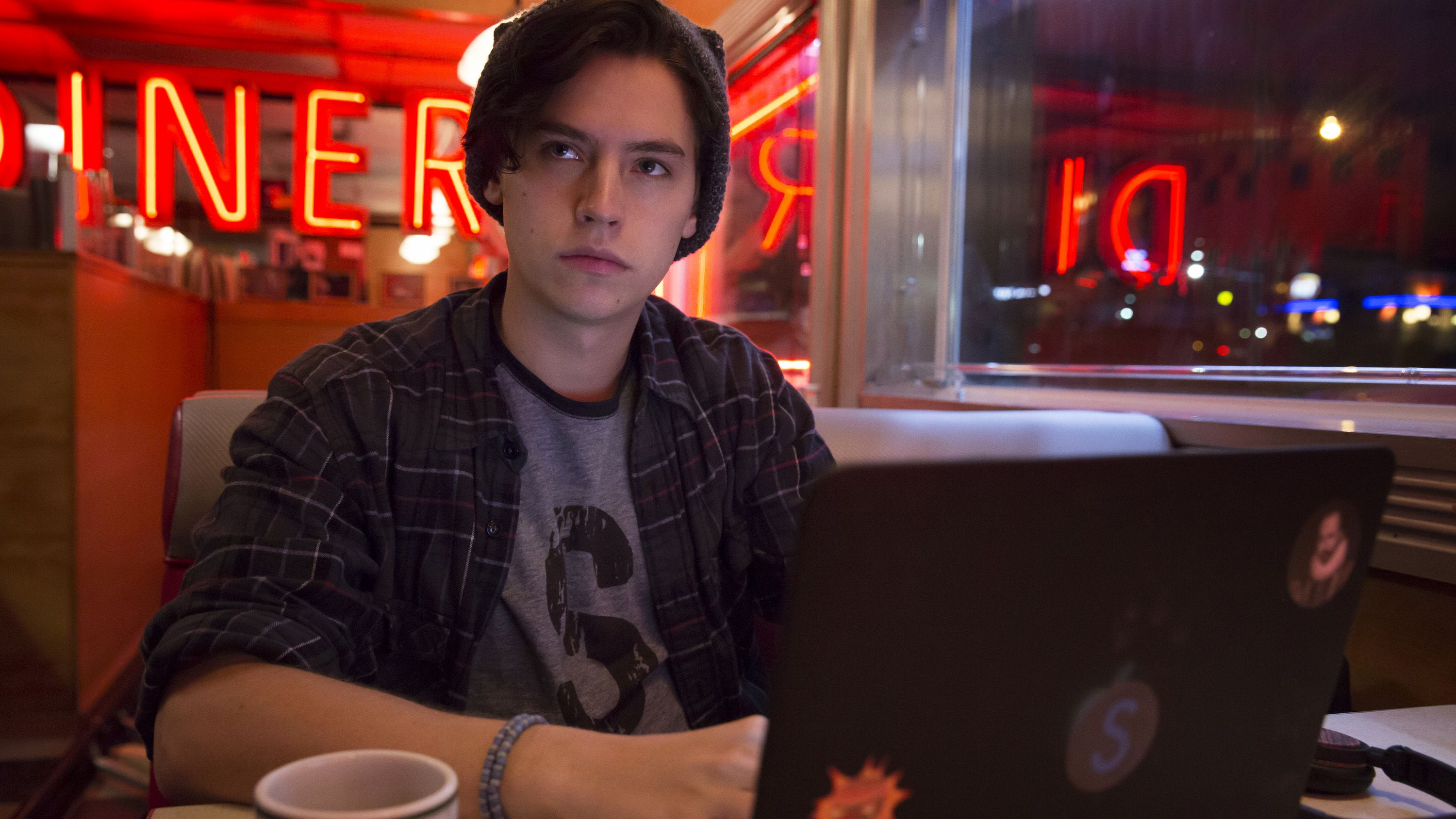
Riverdale combines its source material's 50s and 60s
aesthetic with modern technology and even older cars.
(Also, notice how their license plate design isn't far off 
from B.C.'s main design, to keep continuity.)

Of course, it's also important to remember that much of these historical trends have been dictated by white and Eurocentric standards, so it would be very different if your script features a cultural aesthetic that's been historically marginalized and erased.

DON'T SHOW SUPER-MODERN TECH (OR MOST TECH AT ALL) ONSCREEN


This will depend on how technology-dependent your script's story is in general, but with cell phones now being ubiquitous, the audience can typically assume a character has tried reaching another character's cell phone when trying to get a hold of them. And of course, newer technology often dates badly in even a decade's time, especially if a given format or method proves to be short-lived.

As much as Lisa's Kodak Disc Camera would make 
a killing selling to the retro enthusiast crowd today, 
it's unlikely to be available at your nearby Walmart.

Also, keep in mind how many social situations, plots, and other script scenarios have been changed dramatically in the past 10-15 years due to cell phones, since this will affect your audience's suspension of disbelief towards a story set today.

MIND YOUR LANGUAGE

Any given "Bad Writing" video on Riverdale will show just how every character will spout hashtags, jargon, and vernacular that no real-life teenager would ever say with a straight face. Aiming for heightened cartoon reality is one thing, but like just about everything else largely to do with the internet, hashtags, like other forms of language, is subject to fast change, so (with your intended tone in mind), decide what's being said, how it's being said, who is saying it, and if you can rephrase it to date less badly (and to sound more, well, human). Or, if you're incorporating slang, consider where it's coming from. The internet changes fast, but dialects/slang/phrases from a culture that's genuinely your own will likely stand the test of time far longer.

As for this? Well, it is one of the more normal dialogues from this show.

CONSIDER THE TIMELESSNESS OF YOUR STORY

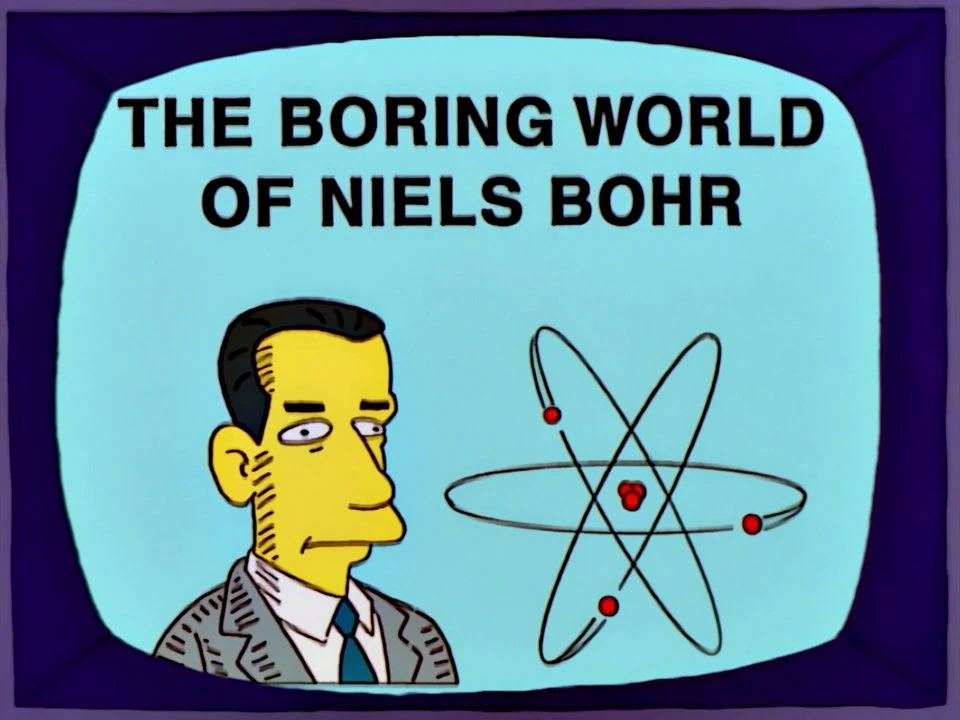
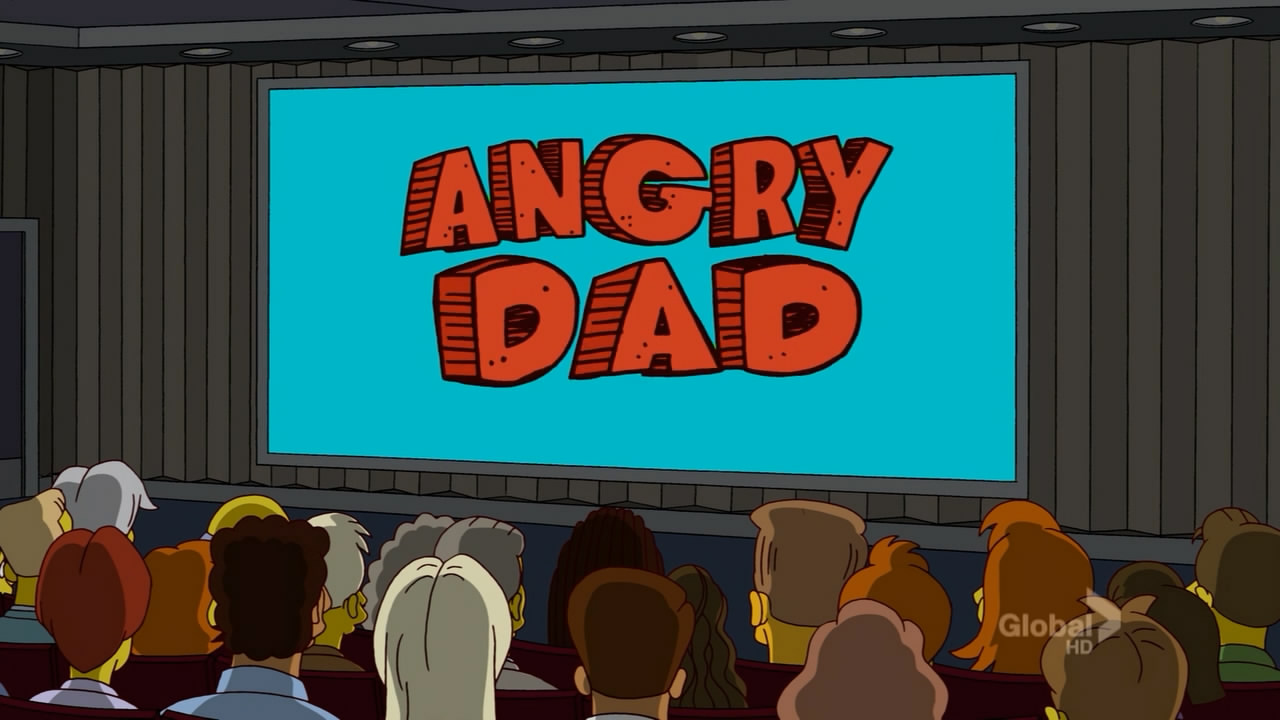
Given Mr. Burns' ethics, this itself would have been dated in the 1920s.

What themes does your story take shape with? I made a similar point in my "Adaptations" post, but if being timeless is a key aim with your script, consider your script's themes and how they relate to the human condition. Is your script about love? Anger? Grief? Jealousy?

That's not to say some themes are inherently "better" than others, in fact, most emotional cores date back about as far as the written word itself (warfare, spiritual journeys and self-discovery, "the quest", etc.). But at least in terms of universality, coupled with the relationship moviegoers have historically had with the medium, the themes of love, family, fear, the dark side of humanity, escapism, and humor are some themes that have endured, along with keeping their wide audiences.

Also, it's never a bad thing to be progressive with your script as well, as it's a good "cheat" to avoid dating it, even for just a little bit of time.
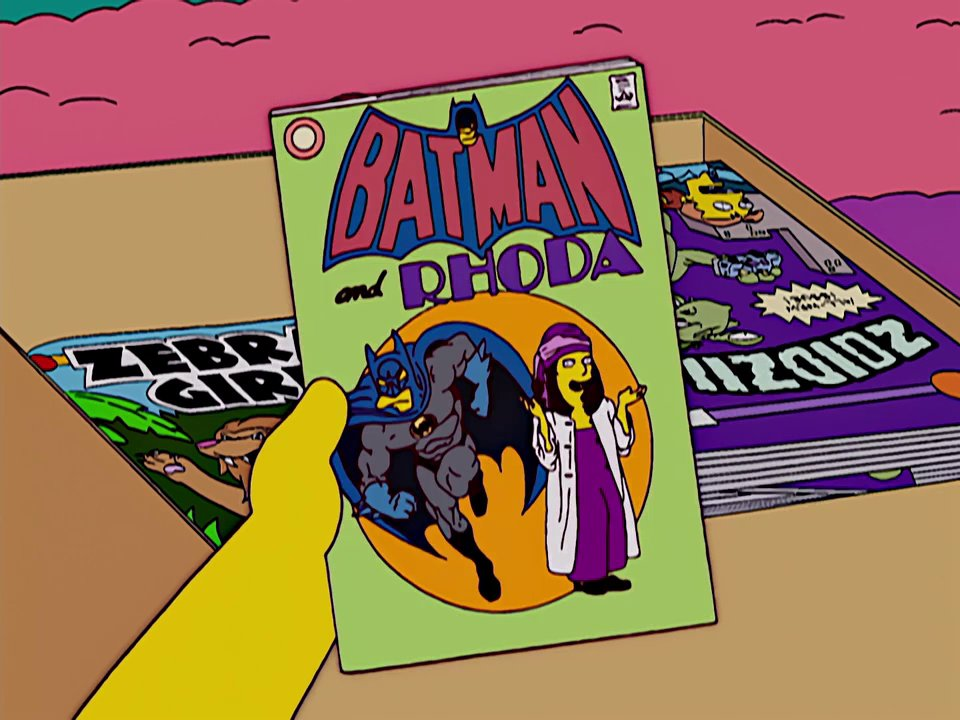
Pictured: Awesome, but very dated.

So all in all, while not completely foolproof, aiming for timelessness will help your audience further latch onto your story and what you want to do with it.

Getting dead goldfish out of your disco shoes, however?
Not quite my area of expertise.

Copyright © Chynna Moore

February 4, 2020

SCREENWRITING: A FEW MORE TIDBITS


Since my last screenwriting post, I've managed to put into words some more points of consideration in creating and fine-tuning a script. Since a favorite part of mine in this process is the visual aspect, i.e. set design, color, symbolism, character looks, etc., these points relate more to how you can "color" your story through the script process onward.

"STEAL LIKE AN ARTIST "


There is nothing wrong with taking a prior idea or concept and putting your own new spin on it.

So, I have a confession to make: I don't watch movies all the time.

I never go to the theater unless I'm with a friend, and I don't usually seek out a movie unless someone I know recommends it, I come across it reading about something else (rare logos, "cast reunions", etc.), or, in recent years, if I've watched a video review on it and it grabs my further interest.

So how do I bridge that little gap between new visuals and fewer movies?

Well folks, Google Images is your friend.

With just images, even if you know a film's general plot, if you haven't seen the film, a screencap can only tell you so much without its original context. This will make your brain "fill in the gaps", often with a new, different context entirely. So if you love a visual and can "plug it into" your script with a new "connection" to strengthen your story, all the more better.

In Thunderball, Fiona Volpe simply stares at Bond as they dance.
I re-contextualized this in my script as "the girlfriend and boyfriend 
stand up from their table, her staring at him the entire time".

Alternatively, if you have seen a film and want to "borrow" a visual motif or other choice, subversion is also a good method. If black is traditionally seen (in the West) as a "bad" color, while white is seen as "pure" and "good", why not switch that up entirely for your hero and villain?


And that above is really just color theory subversion. Going deeper, if you want to enhance your script's "fish out of water" theme, for example, your protagonist will solidify that by dressing like he stepped out of a Rat Pack movie, while living in a town where most of the men dress in blue jeans, T-shirts, and baseball caps.

Knowing your inspirations this way also speaks to the use of (as stated elsewhere) detail, subtext, themes, and connections. What were they going for? And how will you flip that concept?

GET ON SOME MUSIC

"Put in Cream! Put in Cream!", Martin Scorsese told Mitch Pileggi, when writing Goodfellas' famous scene where Jimmy Conway (Robert De Niro) plans to kill Morrie Kessler.

I don't usually use gifs here, but admit it, you heard
"Sunshine of Your Love" playing just now, didn't you?

All movies, scenes, dialogue, and sequences have a rhythm, but music has the power to transform a dull series of events into an inspired, thematically-enhancing sequence. Even if you choose not to insert songs into your script, music can be an immense help in determining your script's tone, direction, and emotional core. (Nostalgia-wise, this also relates to the heading below.)

Goodfellas also uses music to show the progression of time over the course of its story. From the earlier Crystals and Shangri-Las to the later Cream and Donovan, Scorsese pinpoints the film's eventual emotional dissonance when Donovan's lush, sweeping "Atlantis" plays over the brutal beating of Billy Batts. 

USE YOUR ROOTS


It's another trademark of Scorsese, and it's easy to see why, as he attaches the emotions to his settings as well as details, a move demonstrably invaluable to the medium of film. I can still remember my childhood backyard, with its (steep for a child) downward slope, the smell of cut grass, and the sound of my dad's lawnmower reverberating through the neighborhood. Or your childhood experience of seeing a movie you've grown to love even more as you get older. Positive associations, like your fond past memories and associated nostalgia, can really fuel your passion for your story and your script.

SAVE ALL OF YOUR IDEAS


No matter how seemingly-insignificant a quote, joke, character look, or image might seem, you should still lock it away for future use. Or better yet, you could later adapt them differently from what you originally intended, "stealing from yourself" in a way. 

TRY FOR MORE OBSCURE INSPIRATIONS

No, not for hipster points, but if you're aiming for originality, it's imperative to not only be always taking in new content, concepts, media, etc. but also to do so from works that are less remembered, i.e. films that have fallen into obscurity, but have since gained a new life on Blu-ray and DVD-R releases.

McQ, while seen as a lesser entry in its genre and era, still features several twists 
in its story, and having John Wayne as its star brings up many cultural points 
of discussion, i.e. the thematic similarities between crime films and westerns.

That's not to say more popular fare can't yield any new ideas, but a few new wells to draw from never hurts, especially in the internet age.

After all, you don't want to solely reference works that are
so entrenched in pop culture, but are still "too old" for
the kids to know. (Sorry, Season One Jughead.)

To make it easier, try and go for works that star actors (or other talent) you already know and love. After all, you just might come up with a Canadianized First Monday in October, where the protagonists are both female and the older, more experienced one is also the Chief Justice. 

Yes, the latter has happened here.
(That's former Chief Justice Beverley McLachlin in the middle, by the way.)

This is especially potent if a "bad" or "mediocre" film has a sliver of pathos, creativity, subverted expectations, or a sentiment "ahead of its time" that's surrounded by otherwise dated, botched, or cringey material. You never know when your viewing of Bloodline might yield you some new creative sparks (even if only to pass the runtime).

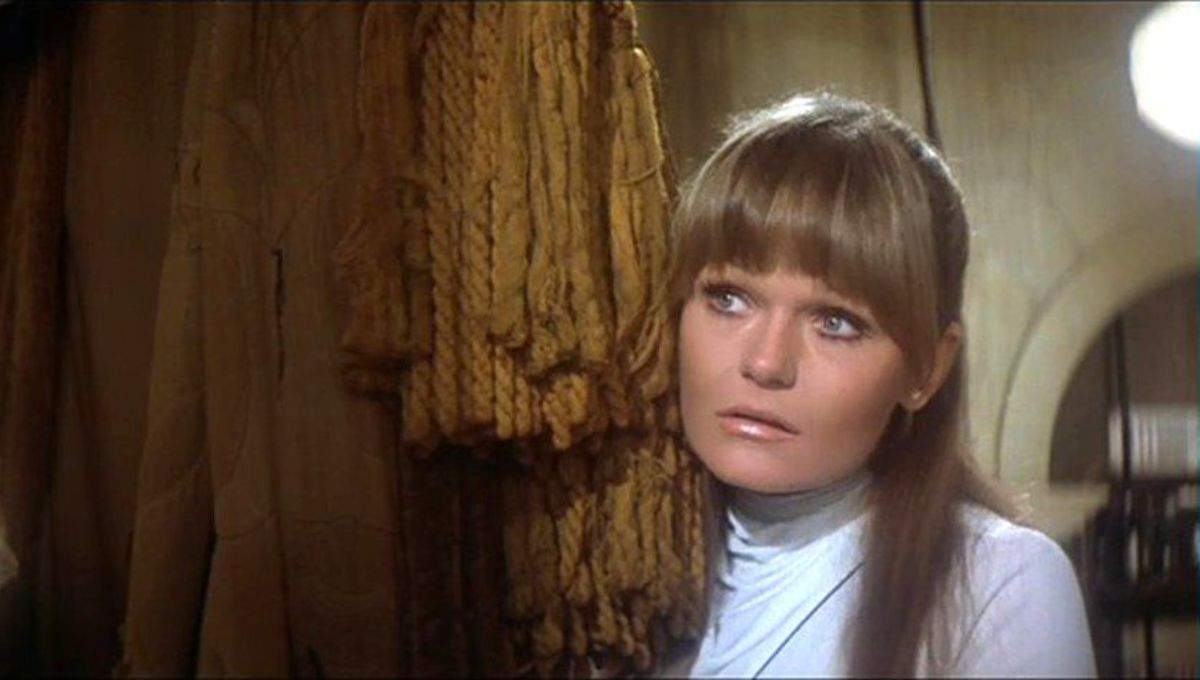
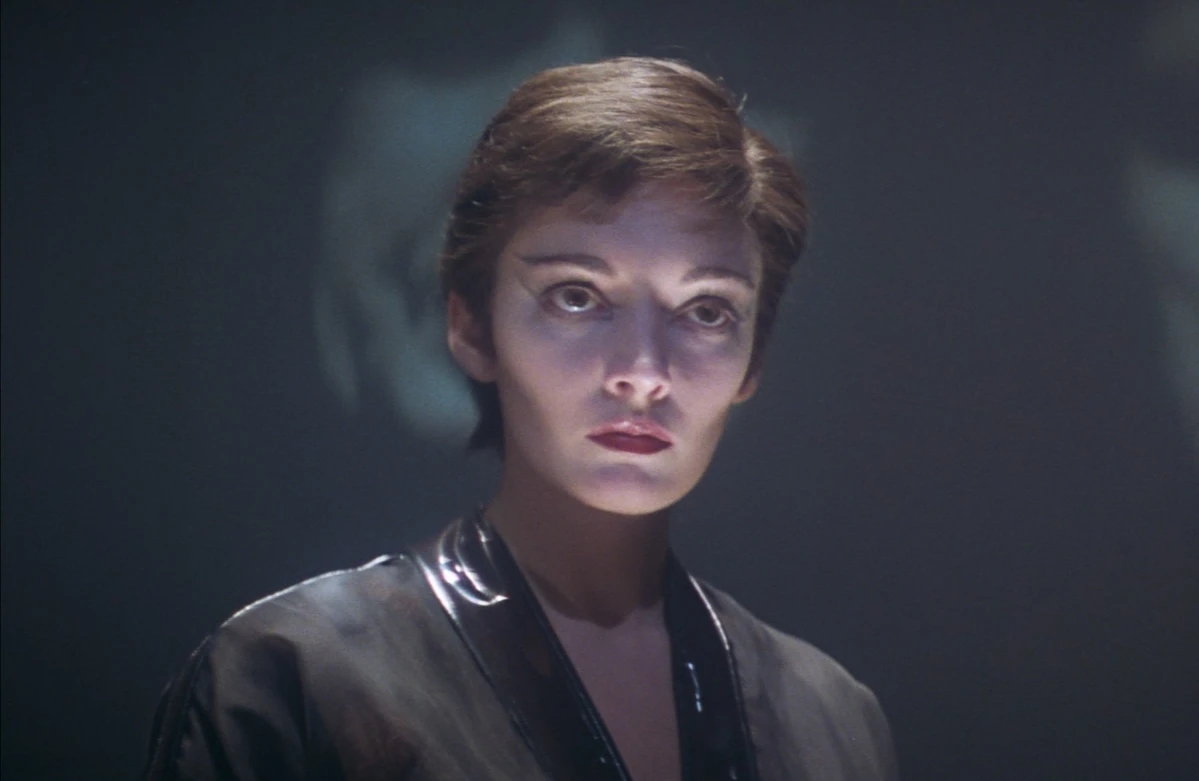
Seriously, who wouldn't want to see a movie about a
lovable inspector who converses with a talking computer?

At least it would have better editing, that's for sure.

CONNECT EVERYTHING

So you've completed your first draft, the "skeleton" of your script. You might even have an idea of what "shading" you want to have. (Provided, of course, you have the time.) 

Now, this is the time to think over and reflect on the choices you've made in your script. How will you enhance them on an emotional level? What visual symbols will be around certain characters? What other works can you reference that are thematically similar to your own story? What dynamics in these other works are similar to the ones you yourself created?

Rick Dalton and Easy Breezy. That is all.

An important thing to remember is that you should ideally go all the way down to the last detail. Similar to my last screenwriting post's "Subtext" section, this attention will show your effort and love for your work in a deeply satisfying way. 

For example, if your "lovable a-hole" protagonist is watching something on T.V., make the connection and have him be watching a film or show featuring a similar character. This move also works double-duty in making thematic connections, while keeping obvious stated references out of your dialogue. 

(I will say, however, that this particular example runs the risk of "referencing a better movie during your own", so you should probably go with a more obscure work, as the previous heading discussed.)

Perfect!

This will take some practice, especially in terms of keeping subtlety, and every script will be different. How prominent will a symbol be shown? How prominent is it to the characters? Is your visual metaphor too obvious, and if so, how much should you de-emphasize it? Will you use it to subvert expectations instead?

Yah, no. This one's as obvious as a brick wall.

Will your song choices be on-the-nose? Or more abstract? Will it provide dissonance in your scene, or foreshadow things to come? 

This one, even more so.

In short, everything in your script, story, and concept should work to service your characters, atmosphere, setting, emotion, and payoff. If your inspiration(s) has brought you enough confidence and spark to finish your script, then chances are, it will be the gift that keeps on giving in bringing you new ideas to strengthen and visualize your story. 

So forgive me if the points I've made have overlapped a lot, but with so many ways to go in the visual language of film, hopefully, they have gotten you to think about how your script is (and should be) more than just a standalone series of events. 


Copyright © Chynna Moore